


What is the Difference Between Product Design and Packaging Design?
Table of Contents
ToggleProduct Design and Packaging Design: 7 Best Ways to Win
Understanding product design and packaging design is critical for any growing brand. When customers encounter a product for the first time, they usually notice the packaging before the product itself. But once they begin using it, the product design becomes the experience they remember.
This is why successful brands invest in both product design and packaging design—two creative disciplines that work together but serve very different purposes.
Whether you are launching a new product, rebranding an existing one, or building a premium brand, understanding the distinction between product design and packaging design can save time, money, and costly marketing mistakes.
Why Do People Confuse the Two?
Imagine buying a handcrafted herbal soap.
The soap itself—its shape, texture, fragrance, ingredients, and usability—is the result of thoughtful product design.
The box, wrapper, label, colors, typography, and branding surrounding the soap are the result of strategic packaging design.
One creates the physical product. The other creates the presentation.
Both influence purchasing decisions, customer satisfaction, and brand perception, but they solve entirely different business challenges.
Product Design: Creating the Product Experience
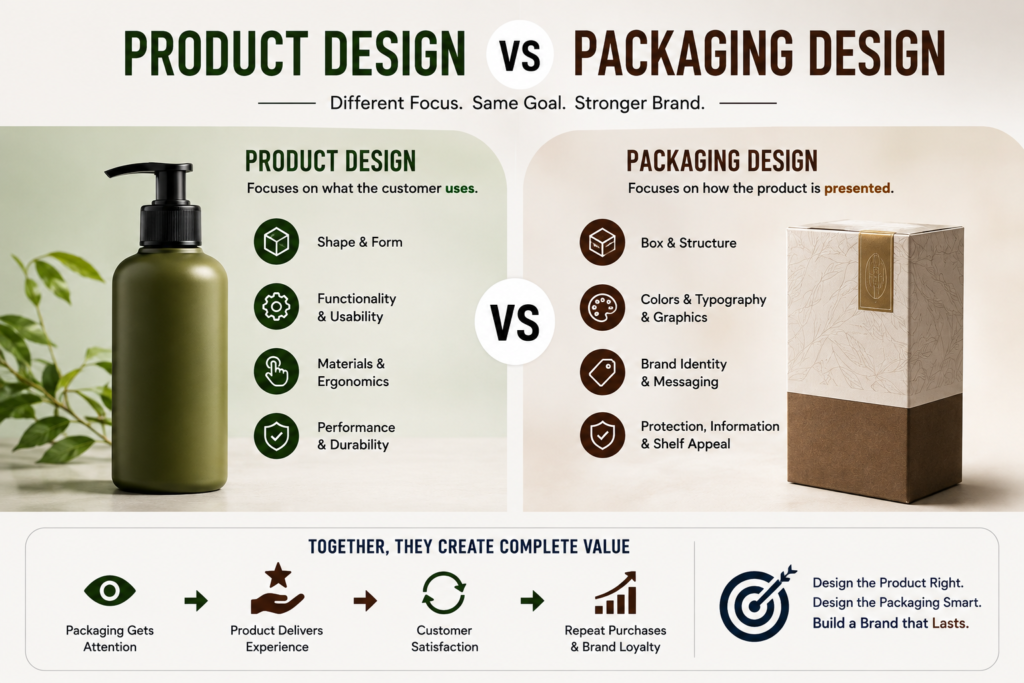
Product design focuses on what the customer actually uses.
It is the process of designing the product itself so that it is functional, attractive, easy to use, and aligned with the needs of the target audience.
What Product Design Includes:
- Shape and form factor
- Size and precise dimensions
- Material selection and tactile feel
- Ergonomics and user usability
- Core functionality
- End-to-end user experience
- Manufacturing feasibility
- Durability and long-term performance
For example, a skincare bottle with a custom pump that dispenses the exact right amount of product every time is a product design achievement.
The goal is simple: create a product people enjoy using every day.
Packaging Design: Creating the Purchase Experience
Packaging design focuses on how the product is presented, protected, and communicated on retail shelves or e-commerce stores.
It is often the primary physical touchpoint between a brand and a prospective buyer.
What Packaging Design Includes:
- Box, pouch, or container structural design
- Labels, stickers, and seals
- Brand typography and font hierarchy
- Brand color palette application
- Custom graphics and illustrations
- Visual brand identity alignment
- Product information and usage directions
- Regulatory and compliance labeling
- Sustainable, eco-friendly materials
- Retail shelf visibility and contrast
A beautifully designed premium box can make an ordinary item feel luxurious before it is even unboxed.
The goal is clear: make people notice, trust, and choose your product.
In short, product design makes the product work. Packaging design makes the product sell.
Real-World Example: Product Design and Packaging Design in Action
Consider a premium specialty coffee brand:
Product Design Focus :
- Custom coffee blend formulation
- Specific roast profile
- High-grade bean quality
- Distinctive aroma and freshness
- Texture and body
- Brewing equipment compatibility
Packaging Design Focus :
- Matte black protective pouch
- Gold foil stamped brand logo
- Re-sealable airtight zipper mechanism
- Minimalist typography layout
- Sustainability and sourcing messaging
- Premium visual shelf presence
Customers may buy the coffee initially because the packaging attracts them, but they will buy it repeatedly because the coffee itself delivers a superior tasting experience.
Which One Comes First?
Ideally, product design comes first, followed directly by packaging design.
A simplified brand development workflow looks like this:
- Comprehensive market research
- Initial product design concept
- Prototype testing and refinement
- Core brand identity creation
- Custom packaging design
- Manufacturing production
- Marketing strategy and launch
However, modern branding teams often develop product design and packaging design simultaneously to ensure complete visual and physical consistency.
Why Great Brands Integrate Both Disciplines ?
The strongest market leaders create a seamless relationship between what customers see on the shelf and what they experience during use.
For example:
A luxury perfume should feel luxurious in both its glass bottle shape and its outer unboxing packaging.
A natural herbal skincare product should communicate authenticity through both its organic ingredients and its recyclable paper packaging.
A tech gadget should reflect cutting-edge innovation in both its digital/hardware interface and its sleek box design.
When product design and packaging design are disconnected, customers notice immediately. Imagine a high-end, luxury box containing a cheap, poorly designed plastic bottle—the disappointment damages brand trust instantly.
According to retail consumer research from McKinsey & Company’s Packaging Insights, over 70% of purchasing decisions are influenced by packaging presentation at the point of sale, while long-term retention relies almost entirely on product satisfaction.
The Business Impact on Revenue and Retention
Good Product Design Can:
- Increase long-term customer satisfaction
- Significantly reduce product returns and complaints
- Improve everyday functionality and usability
- Encourage organic word-of-mouth and repeat purchases
- Strengthen unique product differentiation in saturated markets
Good Packaging Design Can:
- Increase retail shelf visibility and foot traffic attention
- Improve e-commerce click-through rates and digital ad conversions
- Enhance the overall perceived value of your brand
- Support higher margin, premium pricing strategies
- Strengthen brand recall across digital and print channels
- Boost unboxing videos and social media shareability
In competitive markets, packaging design wins the first sale, but product design wins the second sale.
Read our complete breakdown on building a consistent brand style guide for growing e-commerce businesses to see how visual standards keep your products aligned across all channels.
Common Mistakes Businesses Make
Over-Investing in Packaging: Some businesses spend heavily on elaborate boxes while neglecting core product quality, usability, and testing.
Ignoring Packaging Entirely: Others create an outstanding physical product but package it poorly, making it nearly impossible to attract attention in retail stores or online marketplaces.
Inconsistent Branding: Pairing a modern, sleek package with a physical product that feels outdated creates buyer confusion and weakens overall brand credibility.
How Branding Agencies Approach Both ?
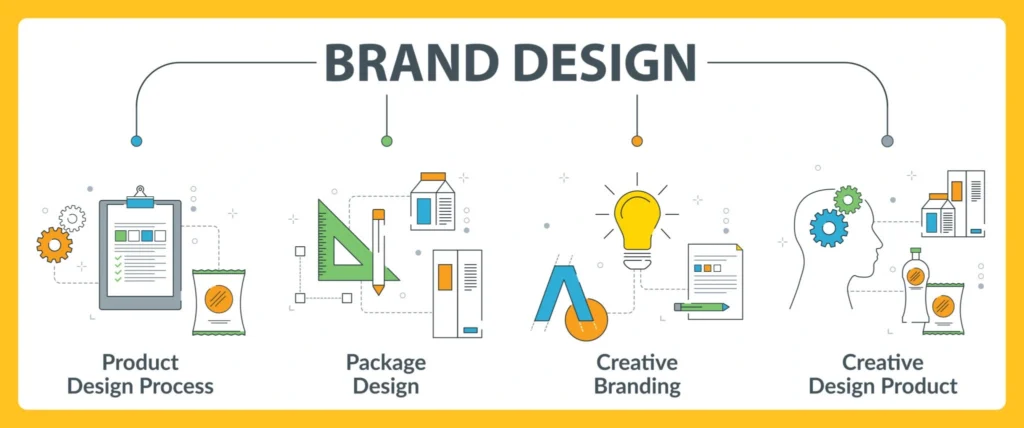
Professional branding and design agencies coordinate product design and packaging design together from day one.
They ensure:
- Seamless visual consistency across all touchpoints
- Clear brand positioning strategy alignment
- Relevant target audience messaging
- Manufacturing practicality and supplier feasibility
- Structural cost optimization
- Maximum market differentiation
This integrated approach helps business owners launch products that are not only fully functional but also visually unforgettable.
Cholanadu Takeaway
Product design and packaging design are not competitors—they are strategic partners.
One creates the physical product people use. The other creates the visual story people see.
If you want customers to notice your brand, trust your offering, and return for future purchases, you need both working together in perfect harmony.
At Cholanadu, we believe that successful brands are built through thoughtful design—from the product in the customer’s hand to the packaging on the shelf. A well-designed product solves a problem; a well-designed package creates desire. The most powerful brands achieve both.
