


Why Crystal Pepsi Failed — The Clear Lesson Behind a Billion-Dollar Branding Mistake
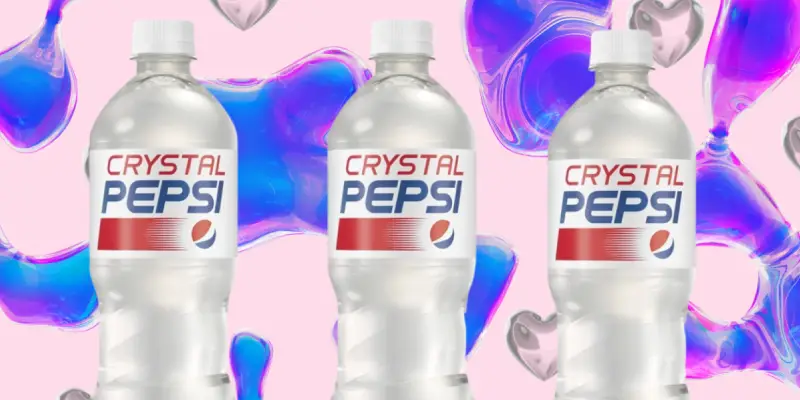
As Cholanadu, we understand how powerful product perception, emotional connection, and brand identity truly are. The story of Crystal Pepsi is one of the most iconic failures in the soft drink industry, yet it remains one of the most valuable marketing case studies of all time. This is not just the tale of a failed soft drink; it’s a blueprint of how even global giants can misread consumer expectations, mismanage positioning, and lose control over a trend.
In the early 1990s, PepsiCo attempted a bold innovation — a clear cola, marketed as pure, refreshing, healthy, and futuristic. But despite a massive launch wave, its sales plummeted rapidly, making it a symbol of beverage market missteps and brand identity mismatch.
This detailed analysis explores the deep-rooted reasons behind the Crystal Pepsi failure, why consumers rejected it, and what marketers can learn from one of the most talked-about product collapses in failed product history.
1. The Rise of Crystal Pepsi: A Futuristic Idea With a Fatal Flaw
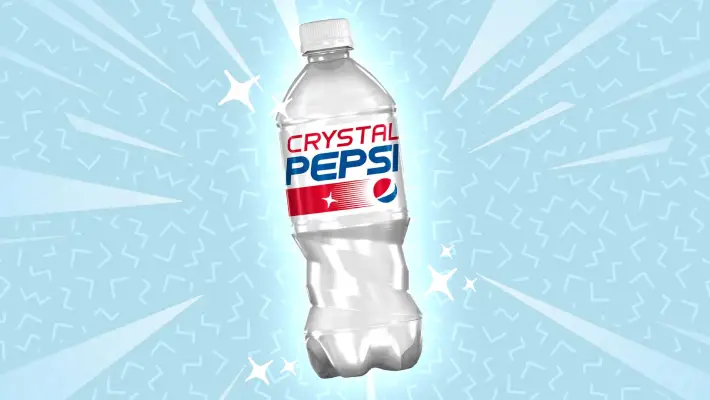
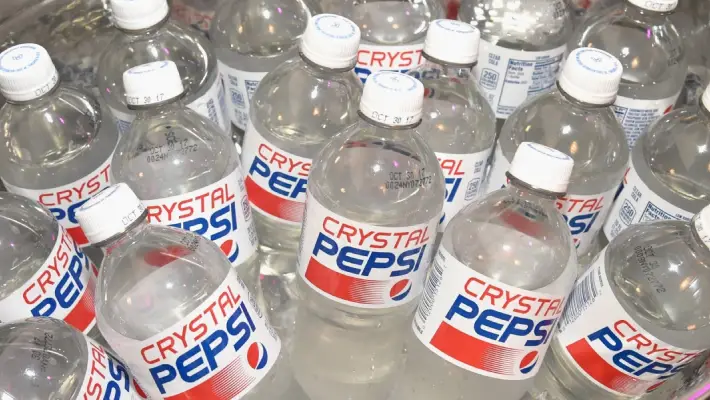
The concept was revolutionary. A transparent cola, without caffeine or caramel coloring, positioned during an era obsessed with fitness, purity, and “clean” products. Pepsi believed they had created something innovative enough to dominate the 1990s beverage launch landscape.
But the first and biggest problem? Consumers associate cola with a dark color.
When people took a sip of clear soda expecting the familiar cola flavor, they experienced cognitive dissonance. This created what marketers call cola flavor confusion. Even though the taste was close to Pepsi, the clear appearance signaled “not cola,” leading to an immediate disconnect.
Why It Mattered
Consumers don’t just buy taste—they buy identity, memory, and familiarity. Pepsi broke that emotional bond.
2. Brand Identity Mismatch: A Product With No Emotional Anchor
Crystal Pepsi attempted to stand for:
- purity
- health
- innovation
- futurism
- better-for-you beverages
- nostalgia-free cola
But consumers had no idea what it truly represented.
The marketing message was not only unclear—it directly conflicted with what the cola category stood for.
Key Issues:
| Problem Area | Impact on Market Reception |
|---|---|
| Brand identity mismatch | Confused existing Pepsi loyalists |
| Transparent cola marketing | Created skepticism rather than trust |
| Product positioning error | Didn’t fit into soda, health, or lifestyle categories |
| Consumer taste rejection | Led to declining repeat purchases |
| Flavor profile issues | “Almost Pepsi” <- consumers don’t want “almost” |
Even though the drink tasted fine, emotional disconnection destroyed its long-term viability.
3. Coca-Cola’s Competitive Move: The Tab Clear “Sabotage Strategy”
In what is now considered a masterstroke in competitive warfare, Coca-Cola launched Tab Clear. The drink tasted terrible, was intentionally positioned vaguely, and closely resembled Crystal Pepsi.
By making “clear cola” synonymous with “diet,” “bad taste,” and “experimental junk,” Coca-Cola successfully:
- diluted Pepsi’s innovation
- ruined the clear cola category itself
- forced consumers to distrust the concept
This is one of the clearest examples of market disruption causing a retail sales decline for a competitor — a strategy Pepsi was completely unprepared for.
4. Novelty Without Purpose: Why People Tried It Once and Moved On
Consumers did try Crystal Pepsi. The hype was massive. Curiosity drove initial sales. But Pepsi forgot a crucial rule:
Novelty sells once. Purpose sells forever.
Crystal Pepsi became a conversation starter, not a lifestyle product.
Why Repeat Purchases Never Happened
- It didn’t fit any daily drinking moment.
- It wasn’t refreshing enough to replace clear sodas.
- It wasn’t traditional enough to replace cola.
- It didn’t solve a real consumer problem.
- It didn’t make people’s lives better or easier.
This created a short-lived cola phenomenon, ultimately contributing to product discontinuation reasons based on poor repeat engagement.
5. Market Trends Ignored: The Product Didn’t Match 1990s Beverage Behavior
Pepsi misread the early 90s beverage trends.
Market data at the time showed rising consumer interest in:
- diet sodas
- flavored sparkling water
- sports drinks
- natural juices
- energy drinks
Consumers wanting “healthy” beverages didn’t want something that still tasted like cola. Meanwhile, consumers who loved cola didn’t want a clear version of it.
Crystal Pepsi became a classic example of an innovation misstep, where market trends were interpreted incorrectly, leading to a marketing strategy flop.
6. The Emotional Truth: Pepsi Ignored What People Love About Cola
Cola is not just a drink. It’s a ritual.
People associate cola with:
- dark caramel color
- nostalgia
- parties and celebrations
- refreshment rituals
- brand memories
By removing the color and familiar signals, Pepsi removed the very reason people choose cola in the first place.
The emotional bond broke instantly.
7. A Clear Lesson for Marketers and Brands Everywhere
Crystal Pepsi failed not because Pepsi lacked innovation, but because it lacked empathy for consumer psychology.
What the Failure Teaches Us
- Consumers don’t want innovation that breaks their emotional expectations.
- Brand identity matters more than experimental excitement.
- Confusing messaging kills positioning.
- Competitors can weaponize your innovation against you.
- Products must solve problems—not just spark curiosity.
For marketers, business owners, and innovators, Crystal Pepsi remains the ideal case study on how not to reinvent a beloved category.
Key Takeaways Table
| Marketing Element | What Went Wrong | Lesson Learned |
|---|---|---|
| Product Positioning | No clear category fit | Products must have purpose |
| Brand Identity | Contradicted Pepsi’s heritage | Respect emotional brand memory |
| Market Understanding | Ignored consumer expectations | Conduct deeper behavioral research |
| Competitive Strategy | Underestimated Coca-Cola | Competition shapes perception |
| Flavor & Appearance | Color–taste mismatch | Sensory alignment matters |
Final Thoughts: The Clear Failure That Still Inspires Marketers Today
Crystal Pepsi’s downfall is one of the greatest examples of how brand identity, consumer psychology, and market positioning can make or break even the boldest innovations. At Cholanadu, we view this historic failure not as a cautionary tale, but as a powerful reminder:
Innovation should enhance what customers love, not disrupt what they trust.
If executed with clarity, empathy, and purpose, even the most daring ideas can succeed. But when businesses ignore emotional connection, no amount of hype can save a product.
