


Kingfisher Airlines | The Rise, Shine & Sudden Fall of India’s Most Glamorous Airline — A Complete Breakdown
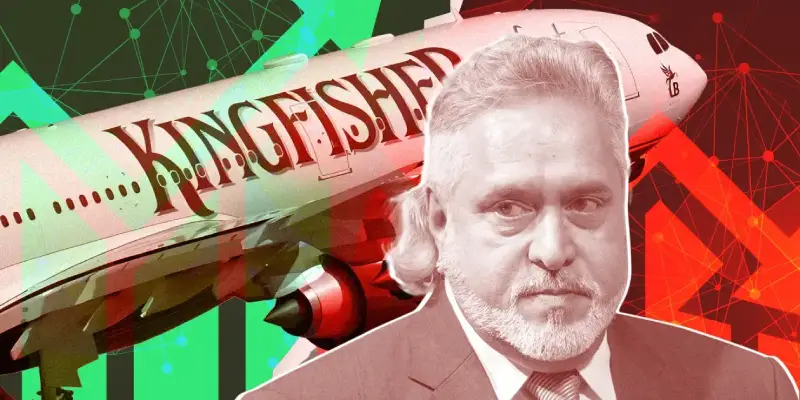
As Cholanadu, we present a deeply researched, SEO-optimized, and richly detailed analysis of Kingfisher Airlines’ history, its meteoric rise, its bold experiments in luxury aviation, and the series of financial missteps that led to one of India’s most dramatic corporate collapses.
This article dives into the strategic errors, market dynamics, operational shutdown, and leadership decisions that shaped the airline’s fate. It is designed to serve as the most comprehensive resource for anyone exploring this iconic aviation story.
When an Airline Became a Lifestyle
In 2005, the Indian aviation industry witnessed something unprecedented. Kingfisher Airlines, founded by Vijay Mallya, entered the sky not as just another carrier but as a luxury brand that blended glamour, innovation, and world-class service.
The airline offered:
- Personal in-flight entertainment
- Gourmet cuisine
- Stylish cabin crew
- Premium lounges
- Red-carpet boarding
- Unmatched attention to detail
It positioned itself as the Emirates of India, giving domestic passengers a taste of international luxury — but at Indian price expectations.
Kingfisher did not merely operate flights.
It sold an experience.
But experiences are expensive, and markets don’t always pay for luxury.
The Golden Rise: Building a Premium Aviation Empire
1. A Brand Built on Glamour and Aspirational Appeal
Kingfisher Airlines shaped a new category: premium domestic flying. Its brand identity was rooted in:
- Luxury aviation experience
- Premium service model
- Aspirational lifestyle branding
- High aesthetic value
For a while, it succeeded brilliantly. The brand was iconic, aspirational, and influential enough to set new expectations across Indian aviation.
2. Kingfisher’s Market Positioning: A Five-Star Experience in a Price-Sensitive Market
India in the mid-2000s was dominated by:
- Low-cost carriers
- Price-driven consumers
- Highly competitive routes
- Fuel-sensitive economics
But Kingfisher entered with a premium-first approach, assuming that Indian consumers were ready to pay extra for a high-end experience.
The gamble worked in terms of brand prestige — but not in profitability.
The Cracks Begin: When Luxury Met Financial Reality
Despite its global appeal, Kingfisher operated in a market obsessed with affordable fares. Soon, its premium model clashed with India’s economic landscape:
- Fuel prices spiked
- Operational costs skyrocketed
- Maintenance expenses rose
- Margins shrank drastically
Luxury aviation in India was like running a five-star hotel in a town that needed budget rooms. The airline was admired — but economically unsustainable.
The Air Deccan Acquisition: The Turning Point That Backfired
In 2007, Kingfisher acquired Air Deccan, aiming to merge luxury with reach.
What Mallya Envisioned
- Expand aggressively
- Access international flying rights
- Combine premium + budget models
- Dominate the aviation market
What Actually Happened
- Air Deccan was already in financial distress
- Its cost structure was incompatible with Kingfisher
- Customers became confused about the brand identity
- Operations became chaotic
- Losses doubled instead of shrinking
Rather than synergy, Kingfisher inherited Air Deccan’s debt, operational issues, and fleet challenges.
The acquisition became one of the biggest strategic misfires in Indian aviation history.
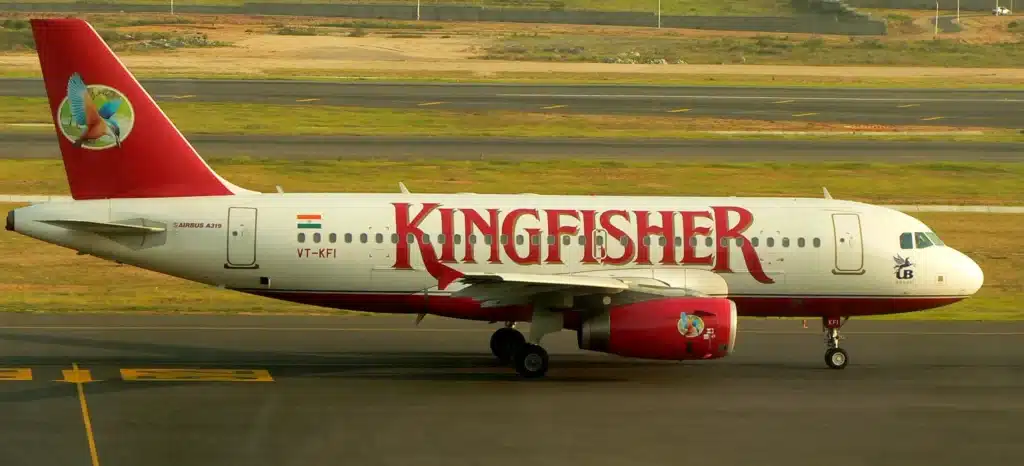
Rapid Expansion: Growth That Outran Logic
Kingfisher’s ambition was massive:
- New international routes
- Wide-body aircraft orders
- Large fleet expansion
- Aggressive market capture
But everything was funded by loans.
The Results
- Debt piled up
- Interest payments soared
- Creditors panicked
- Suppliers stopped fuel
- Airports denied services
- Employees went unpaid
The airline that once symbolized luxury was now sinking under the weight of its own ambition.
The Collapse: When the Icon Fell
In 2012, the DGCA suspended Kingfisher’s flying license due to safety, financial, and operational failures.
Impact of the Shutdown
- Thousands of employees left jobless
- Investors lost millions
- Banks declared massive NPAs
- Grounded fleet decayed
- The airline brand was ruined
- Public trust collapsed
Kingfisher’s fall was not just a corporate failure — it became a national headline, a case study, and a cautionary example of unbalanced growth.
Root Causes: Why Kingfisher Airlines Collapsed
Below is a detailed table summarizing the core reasons behind the downfall:
Key Causes of Kingfisher Airlines’ Business Collapse
| Factor | Description |
|---|---|
| Premium Model Misfit | Luxury aviation strategy clashed with India’s price-sensitive market. |
| Air Deccan Misacquisition | Financially weak airline added debt, confusion, and operational chaos. |
| Aggressive Expansion | Rapid fleet and route growth without stable cash flow. |
| Financial Mismanagement | Poor cash discipline, unchecked borrowing, and interest overload. |
| Regulatory Issues | DGCA suspension due to safety and operational non-compliance. |
| Debt Crisis | Massive loans, loan defaults, and increasing bank NPAs. |
| Employee Unrest | Unpaid salaries, strikes, and loss of operational efficiency. |
| Corporate Governance Failures | Lack of transparent leadership and internal accountability. |
Leadership Lessons: What Business Leaders Can Learn
The fall of Kingfisher Airlines provides timeless guidance for startups, corporations, and entrepreneurs.
1. Build Stability Before Scaling
Profitability must precede rapid expansion. Growth without foundation is collapse in disguise.
2. Brand Glamour Cannot Replace Financial Strength
Luxury branding alone cannot sustain operational reality.
3. Vision Must Align With Market Economics
A great idea doesn’t survive if the market cannot afford it.
4. Debt is a Double-Edged Sword
Borrowing can accelerate growth — or trigger destruction when uncontrolled.
5. Cash Flow Is the Lifeline
In aviation, and in business, cash flow is king.
The Legacy: How Kingfisher Airlines Is Remembered Today
Kingfisher Airlines remains one of the most iconic, controversial, and studied case studies in Indian corporate history.
What It Gave India
- A taste of world-class aviation
- Elevated service standards
- Stylish branding never seen before
What It Taught India
- A beautiful brand without financial discipline is destined to crash
- Luxury must be backed by sustainable economics
- Leadership ambition must match market reality
Kingfisher Airlines was not a failure of imagination —
It was a failure of financial grounding.
A dream that soared too high, too fast —
and ran out of fuel before it could land.
Conclusion
Kingfisher Airlines remains an unforgettable chapter in the aviation world — a bold experiment in glamour that ultimately collapsed under unchecked expansion, debt mismanagement, and flawed strategy.
Its rise was legendary.
Its fall was catastrophic.
Its lessons are timeless.
