


Bovonto – The Drink That Won Hearts, But Missed Markets
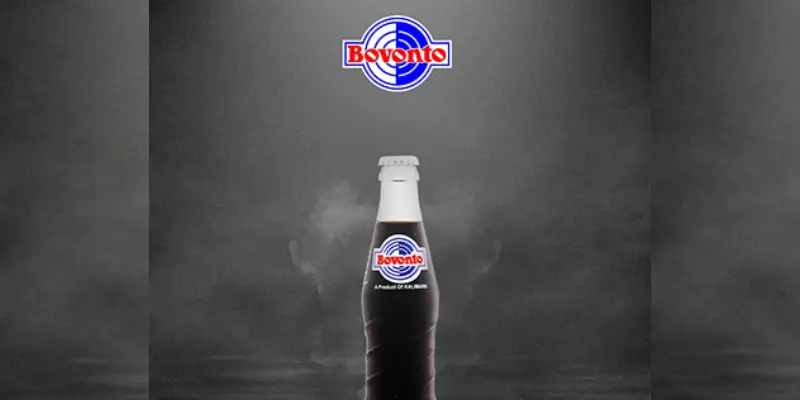
The Kalimark Story: Legacy, Love & The Lost Opportunity
A Purple Legend Rooted in Emotion
If you grew up in South India, especially Tamil Nadu, you know the unmistakable taste of Bovonto — the classic grape-flavored soda that carries decades of childhood memories in every bubble. More than a drink, Bovonto has built emotional loyalty, becoming a symbol of regional pride and a reminder of simpler days.
Yet, despite its powerful cultural attachment and a fiercely loyal consumer base, Bovonto never became a national powerhouse. While Coca-Cola and Pepsi conquered markets, Kalimark — Bovonto’s parent company — stayed regional, local, and emotionally consistent.
In this brand deep dive, we explore how heritage-driven loyalty, limited scalability, and resistance to evolution** shaped Kalimark’s journey.
A Heritage Brand Built on Emotion and Authenticity
Kalimark wasn’t born out of corporate ambition but out of passion.
Founded in 1916 as a handmade soda business, Kalimark evolved into a bottling company that prioritized community connection and authenticity over aggressive expansion. Bovonto became the flagship drink and quickly transformed into a South Indian cultural icon.
What made Bovonto stand out?
- Indigenous flavors inspired by local taste preferences
- Affordable pricing for price-sensitive customers
- Rural retail dominance through distribution relationships
- Authentic communication instead of aspirational advertising
While multinational brands spent millions on marketing, Bovonto relied on word-of-mouth and fan-driven popularity. The drink didn’t just quench thirst; it fueled identity.
The Strength: A Brand Loved Without Advertising
The greatest power of Bovonto lies in the emotional thread that connects it to its consumers. Even today, people buy it not because of campaigns or celebrity endorsements, but because:
“It tastes like home.”
Kalimark has achieved something global giants struggle with — consumer nostalgia marketing.
- Families serve Bovonto at weddings instead of global brands.
- Expats returning home ask for Bovonto first.
- Teenagers defend Bovonto in the South Indian cola wars.
This emotional bond is rare. It also became a silent trap.
The Weakness: Love Without Evolution
While Bovonto held onto tradition, the world evolved. The beverage industry became a battlefield where brands competed through:
- Innovation (sugar-free variants, diet colas, flavored soda lines)
- Packaging modernization (sleek bottles, visual appeal)
- Large-scale advertising (celebrity ambassadors, cricket sponsorships)
Pepsi and Coca-Cola weren’t just selling drinks.
They were selling aspiration, lifestyle, and global identity.
Kalimark stayed where it was comfortable.
Legacy and love aren’t the same as growth.
- No outside investors.
- No aggressive marketing.
- No national expansion.
The brand chose comfort over disruption.
Distribution — The Invisible Enemy
The biggest barrier wasn’t taste. It was distribution.
Bovonto dominated rural retail through friendships, relationships, and loyalty-based networks. But national-level FMCG requires:
- Scale
- Cold-chain efficiency
- Fast replenishment cycles
- Retail shelf visibility
Competing against global brands with deep-pocketed distributor incentives became nearly impossible.
Where Pepsi and Coca-Cola could buy shelf space, Bovonto depended on emotional goodwill.
This created a distribution bottleneck that prevented Bovonto from crossing state borders consistently.
The Lost Opportunity: Unexplored National Potential
Bovonto could have become India’s indigenous cola leader.
Every brand reaches a decisive moment where it must choose:
- Preserve legacy
- OR evolve into potential
Kalimark chose the first.
Bovonto stayed beautifully rooted — but quietly limited.
Despite massive consumer loyalty, the brand never converted emotion into scalable growth.
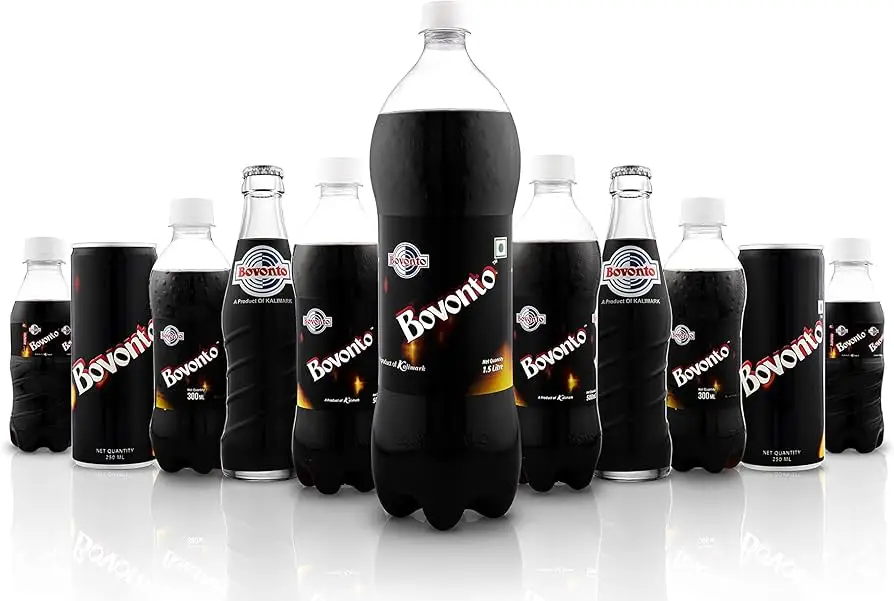
What Modern Brands Can Learn: Emotion + Evolution = Success
Love builds a brand.
Evolution grows it.
For brands today — especially family-run, heritage, or regional brands — the Bovonto story is a mirror and a caution.
Here are actionable lessons:
Emotion builds loyalty
But innovation builds markets.
Authenticity wins hearts
But brand audits win future opportunities.
Regional love creates impact
But market strategy creates scale.
To survive today’s hyper-competitive FMCG landscape, brands cannot rely only on nostalgia. They must move from:
- emotion → relevance
- memory → modernization
- regional identity → national potential
How Bovonto Can Still Rise: Strategic Growth Path
We believe Bovonto can go from regional legend to national sensation without losing its soul.
Strategic Innovation
Introduce:
- Zero-sugar Bovonto
- Sleek modern cans
- Seasonal limited-edition variants
Smart Distribution Expansion
Partnerships with:
- Modern retail
- Food delivery platforms
- Café collaborations (like Thums Up and McDonalds)
Nostalgia-Driven Marketing (But Modern)
Campaign strategy:
“Proudly Local. Unforgettable Always.”
Instead of competing with global brands, capitalize on:
- Indigenous drink loyalty
- Regional branding identity
- Cultural storytelling
Legacy Needs Evolution
Bovonto is a reminder that heritage is powerful, but not scalable without strategy.
The world doesn’t need Bovonto to become another Coke or Pepsi.
It needs Bovonto to become a stronger version of itself.
“Not every legacy brand needs saving — but every legacy needs evolving.”
As branding strategists at Cholanadu, we believe Bovonto has the rarest strength a brand could ask for — love.
Now, all it needs is courage to evolve.
